
Views: 0 Author: Site Editor Publish Time: 2026-03-26 Origin: Site
Brewing a rich, robust cup of coffee at home does not require massive, expensive machinery. The humble stovetop espresso maker, widely known as the Moka pot, has graced kitchens around the globe for decades. This brilliant device uses steam pressure to push hot water through coffee grounds, yielding a highly concentrated brew that rivals your favorite cafe's espresso.
Many people struggle to get good results with this classic brewer. They often end up with bitter, burnt-tasting coffee and assume the device is at fault. The truth is that proper technique makes all the difference. By understanding the mechanics of your brewer and following a few simple steps, you can extract a smooth, full-bodied cup every single morning.
This comprehensive guide will walk you through the entire process of making stovetop espresso. You will learn how to prepare your ingredients, execute the brewing process flawlessly, and care for your equipment.
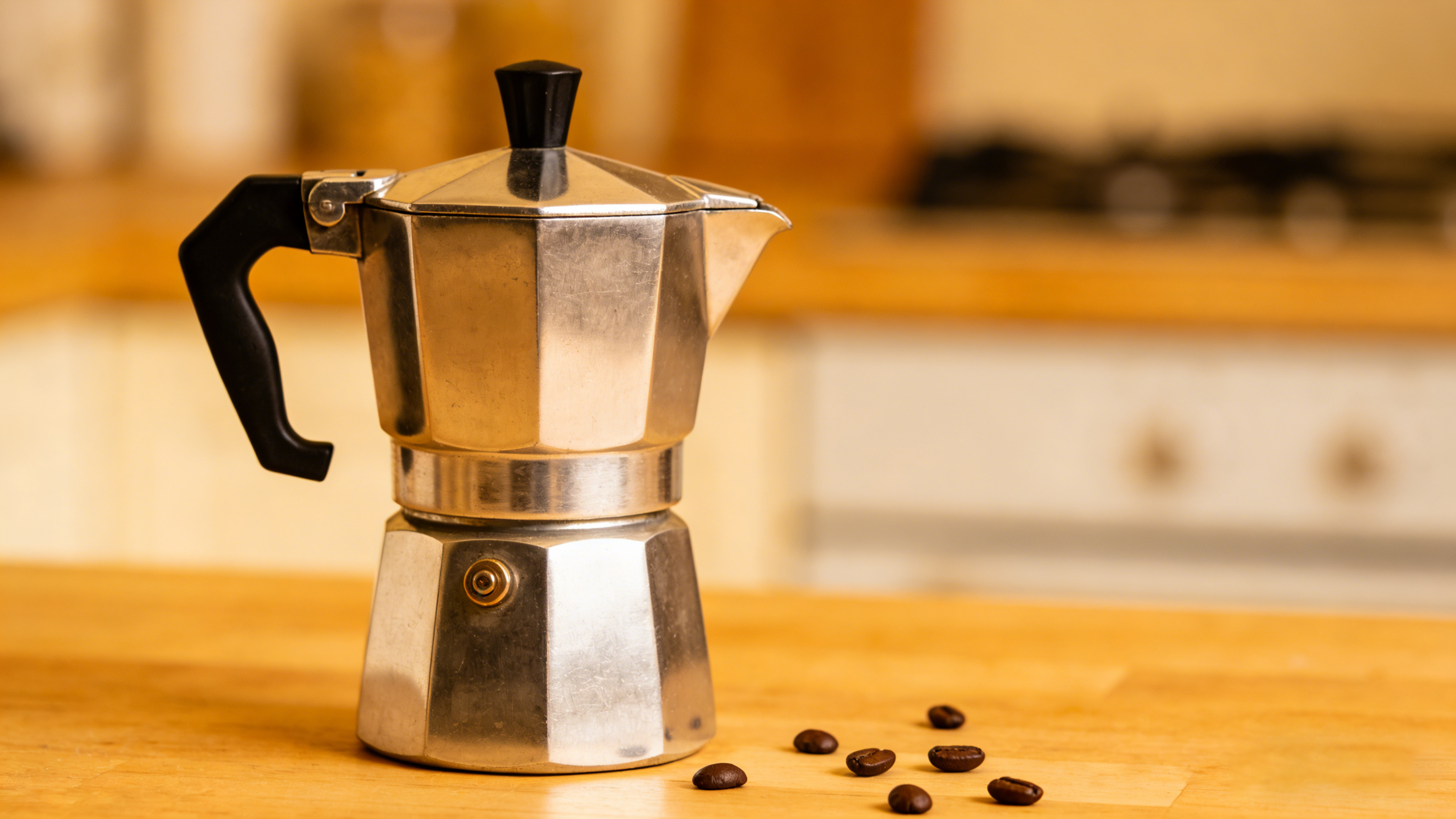
Before making your first batch of coffee, it helps to understand how the device actually works. A standard stovetop espresso maker consists of three main components:
The bottom chamber: This is the boiler where you pour your water. It usually features a small safety valve to release excess pressure.
The filter basket: Sitting snugly inside the bottom chamber, this funnel-shaped metal basket holds your coffee grounds.
The top chamber: This section collects the finished coffee. It features a central column where the brewed espresso spills out once the water below reaches boiling point.
When you apply heat to the bottom chamber, the water turns into steam. This creates pressure, forcing the remaining hot water up through the filter basket, interacting with the coffee grounds, and finally erupting into the top collection chamber.
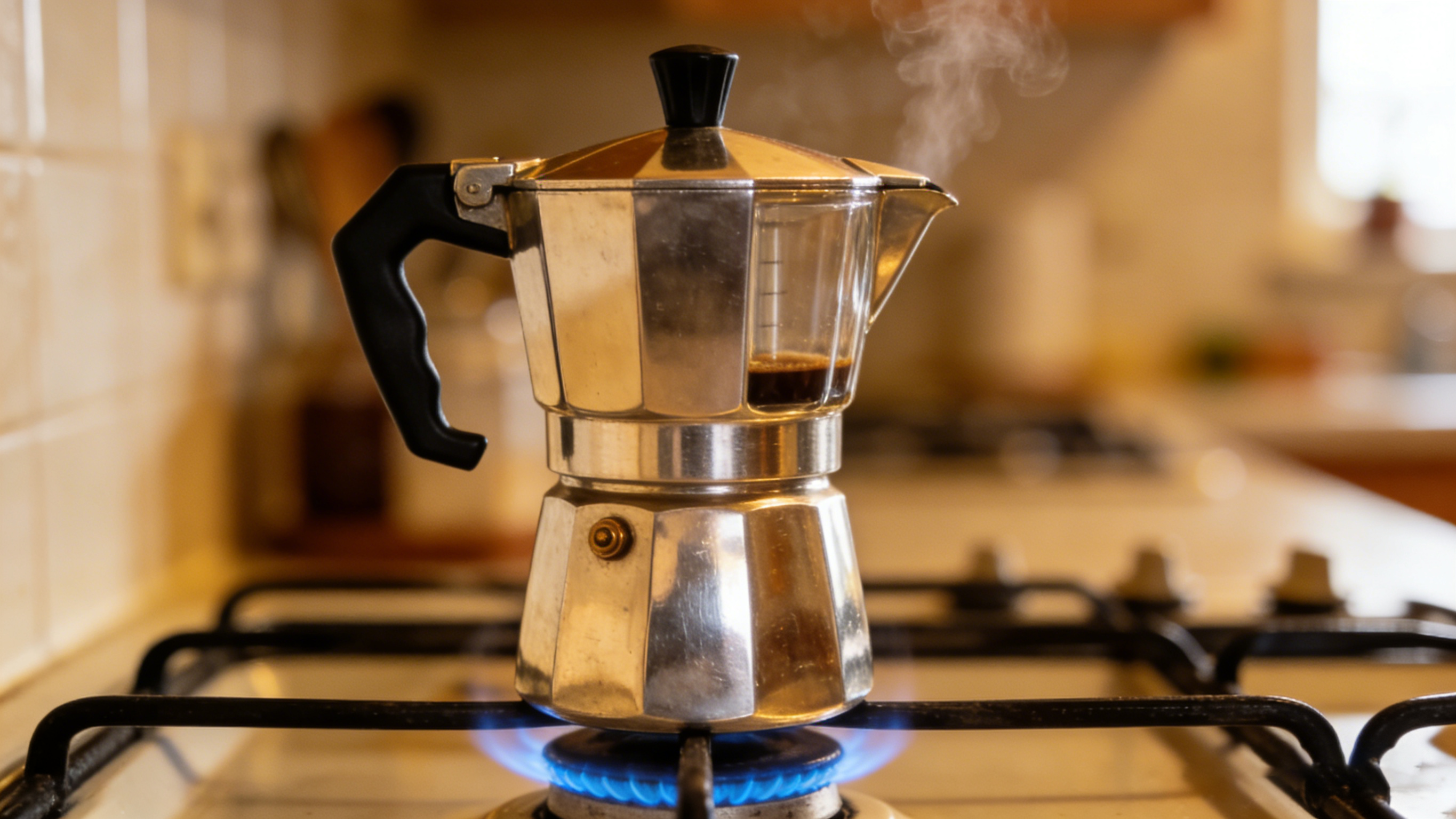
Achieving the perfect extraction requires attention to detail. Follow these steps to ensure a delicious result.
Most instruction manuals suggest starting with cold water. However, starting with water that is already hot will significantly improve your coffee. If you place a cold pot on the stove, the metal takes a long time to heat up. This prolonged exposure bakes the coffee grounds before the brewing even begins, causing a harsh, metallic, and bitter flavor. Boil some water in a kettle first, then pour it into the bottom chamber. Fill it just below the circular safety valve.
Freshly ground coffee is vital for a great tasting brew. You want a grind size that is slightly coarser than a traditional espresso grind, but finer than what you would use for a drip coffee maker. It should feel similar to fine table salt. If the grind is too fine, it will clog the filter and create a dangerously high-pressure environment. If it is too coarse, the water will rush through, leaving you with weak, watery coffee.
Spoon your ground coffee into the filter basket. Fill it completely to the top, then level it off with your finger or the back of a knife. Do not tamp or press the grounds down. Compacting the coffee makes it too difficult for the steam to push the water through. A loose, leveled bed of grounds allows for an even extraction.
Carefully drop the filter basket into the bottom chamber. Because you used hot water, the bottom metal will be extremely hot. Use a towel or an oven mitt to hold the base while you screw the top chamber on tightly. Ensure the seal is secure so steam does not escape from the middle seam during brewing.
Place your assembled stovetop espresso maker on your stove over medium-low heat. If you use a gas stove, ensure the flames do not extend past the base of the pot, as this can melt the handle. Leave the lid of the top chamber open so you can keep an eye on the extraction.
After a few minutes, the coffee will begin to ooze out of the center column. It should look like a thick, dark syrup. As the process continues, the stream will become lighter and slightly faster.
Timing is everything. As soon as the color of the coffee turns to a pale yellow honey color, or you hear a distinct gurgling and sputtering sound, remove the pot from the heat immediately. That sputtering sound means steam, not water, is pushing through the grounds, which extracts extreme bitterness. To stop the brewing process completely, you can run the bottom chamber under cold tap water for a few seconds.
Pour your freshly brewed coffee into a cup and enjoy it black, or dilute it with hot water or steamed milk.
The quality of your brew relies heavily on the quality of your tools. Using well-crafted equipment ensures consistent heat distribution and safe brewing. When looking to upgrade your coffee setup, choosing a reputable stovetop espresso Manufacturer is an excellent first step.
For those seeking exceptional quality, exploring a trusted China stovetop espresso supplier can yield fantastic results. I-Top Industry Limited is a professional manufacturer specializing in premium coffee making accessories. They offer a wide range of barista tools, including manual burr grinders, gooseneck kettles, and high-quality espresso gear. Equipping your kitchen with reliable tools from a dedicated manufacturer guarantees a better morning ritual.
Bitterness is usually caused by over-extraction. This happens if your coffee grind is too fine, if you leave the pot on the stove for too long, or if you start with cold water. Try pre-heating your water and removing the pot from the heat before it starts aggressively sputtering.
You do not need beans labeled strictly for espresso. You can use any roast profile you prefer. However, medium to medium-dark roasts tend to perform exceptionally well in a Moka pot, offering a rich chocolatey and nutty flavor profile. Light roasts can sometimes taste a bit too acidic due to the high brewing temperature.
Always wash your stovetop espresso maker by hand using warm water. Avoid using strong dish soaps or abrasive sponges, as these can strip away the coffee oils that season the metal over time. Never put a traditional aluminum Moka pot in the dishwasher, as the harsh detergents will oxidize and ruin the finish.
Absolutely. While the resulting brew is technically not true espresso (which requires 9 bars of pressure), it is highly concentrated and serves as a perfect base for milk drinks. Simply heat and froth some milk, then pour it over your strong coffee to create delicious cafe-style beverages at home.
Making great coffee at home is a highly rewarding skill. By mastering the heat, the grind size, and the timing of your stovetop espresso maker, you open the door to a lifetime of delicious mornings. Remember to use fresh beans, pre-heat your water, and never let your brewer sputter on the stove.
Take the time to assess your current coffee equipment. Upgrading your gear with items from a dedicated supplier like I-Top Industry Limited can drastically improve your workflow and final cup quality. Start experimenting with your technique tomorrow morning, and savor the rich, bold flavors you can create in your own kitchen.


