
Views: 0 Author: Site Editor Publish Time: 2026-01-29 Origin: Site
You invest in high-quality beans, measure your water temperature to the degree, and perfect your pour-over technique. Yet, your morning cup still tastes slightly bitter or flat. The culprit might not be your beans or your brewing method—it could be the tool you trust most: your grinder.
While manual grinders are celebrated for their durability and precision, they are not self-cleaning. Over time, coffee oils and microscopic grounds accumulate in the burrs. If left unchecked, this residue goes rancid, silently sabotaging the flavor profile of your expensive specialty coffee.
Maintaining a clean grinder isn't just about hygiene; it is about protecting your investment and ensuring every cup tastes as fresh as the day the beans were roasted. Whether you are using a premium hand grinder at home or a rugged Bean Grinder for Camping, understanding the right cleaning schedule is essential. This guide covers exactly when and how to clean your gear to keep it running smoothly for years to come.
Coffee beans contain volatile oils and fats. These give coffee its rich aroma and crema, but they are also sticky. As you grind, these oils coat the teeth of your burrs and the walls of the catch cup.
If you don't clean your manual coffee grinder regularly, two things happen:
Flavor Contamination: Old, oxidized coffee oils turn rancid. When fresh beans pass through dirty burrs, they pick up these stale flavors, resulting in a cup that tastes muddy or sour.
Inconsistent Grind Size: Buildup can clog the grooves of the burrs. This prevents beans from feeding through smoothly and can wobble the burr alignment, leading to "fines" (dust) or "boulders" (chunks) that ruin extraction.

How often you clean depends largely on how often you brew and the type of roast you prefer. Darker roasts are oilier and require more frequent maintenance than light roasts.
Here is a general breakdown of the recommended cleaning frequency for the average daily brewer:
Cleaning Level | Frequency | Focus Areas | Time Required |
|---|---|---|---|
The Daily Brush | Every 1-2 days | Hopper, catch cup, exterior | 30 seconds |
The Quick Clean | Every 1-2 weeks | Burrs (surface), adjustment dial | 5 minutes |
The Deep Clean | Every 1-3 months | Full disassembly, deep burr scrub | 15-20 minutes |
You don't need to take the grinder apart every morning. After grinding, simply turn the grinder upside down and give it a firm tap over a bin to dislodge loose retention. Use a small air blower or a soft brush to sweep out the catch cup. This prevents today's grounds from becoming tomorrow's stale leftovers.
If you use your grinder daily, a quick clean every week or two ensures consistency. This involves removing the handle and the catch cup and using a stiff brush to scrub the visible parts of the burr set. If you switch between different bean origins frequently, do this more often to avoid flavor cross-contamination.
This is a full service for your equipment. You will need to disassemble the grinder carefully (keep track of those small washers and springs!). Scrub the inner and outer burrs thoroughly to remove caked-on oils. This is vital for a portable espresso grinder, where precision is paramount for pulling a good shot.
Sometimes, you shouldn't wait for the schedule. Listen to your equipment. If you notice any of the following signs, stop grinding and start cleaning:
Increased Resistance: It feels physically harder to turn the handle than usual.
Visible Clumping: The ground coffee comes out in sticky clumps rather than fluffy particles.
Musty Smell: The grinder smells like old oil or cardboard, rather than fresh coffee.
Squeaking Sounds: This could indicate friction from buildup or a need for lubrication on the shaft (check your manufacturer's manual).
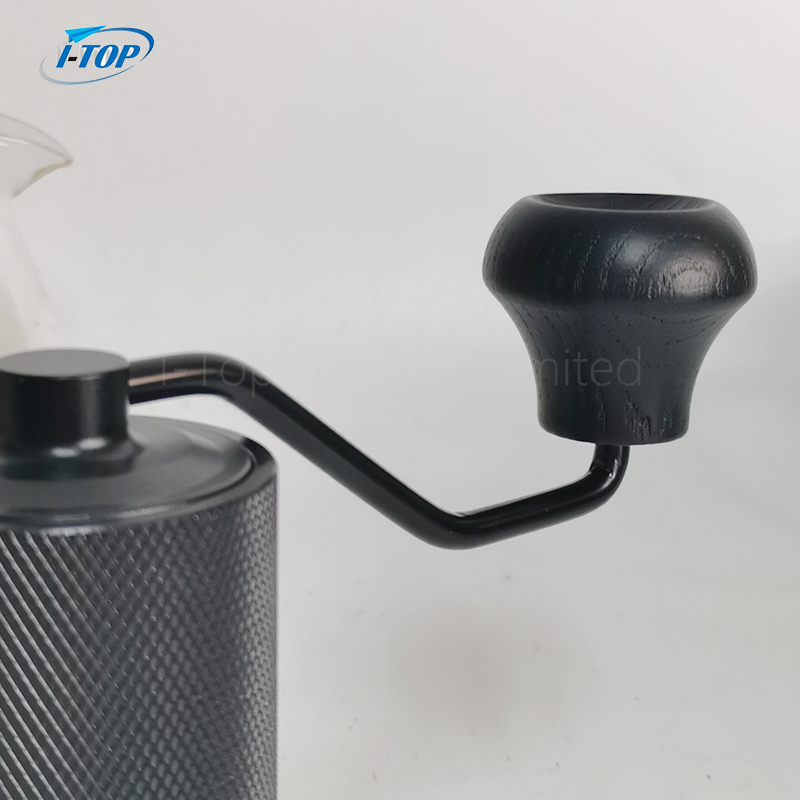
Cleaning a manual grinder is a meditative process that connects you with your tools. Here is how to do it safely and effectively.
Lay out a clean white towel or tray. Unscrew the adjustment knob and remove the inner burr, spring, and shaft. Place the parts in order on the towel so you know exactly how to put them back together.
Using a stiff toothbrush or a dedicated grinder brush, scrub the inner and outer burrs. Pay attention to the deep grooves where fines get trapped. For a Bean Grinder for Camping, ensure you remove any outdoor dust or debris that might have snuck in.
For stubborn oils, wipe the metal parts with a dry microfiber cloth. Note: Generally, you should avoid using water on steel burrs as it promotes rust. If you have ceramic burrs, they can usually be washed with soapy water, but must be dried completely before reassembly.
Put the grinder back together. Once assembled, you will need to "zero" your grinder (tighten it until the burrs touch) and then click back to your preferred setting.
A portable espresso grinder typically has finer threads and tighter tolerances than a standard filter grinder. Because espresso requires such a fine grind, oil buildup happens faster and has a more significant impact on flow rate.
If you are using a high-end hand grinder for espresso, consider using grinder cleaning pellets (like Grindz) once a month. These are food-safe pellets that you grind through the machine. They absorb oils and dislodge particles without requiring full disassembly.
Even well-intentioned coffee lovers can damage their gear. Avoid these common pitfalls:
Don't use the dishwasher: Never put your manual grinder in the dishwasher. The heat and water pressure will strip lubricants, rust steel parts, and likely warp the body.
Avoid rice: An old myth suggests running uncooked rice through a grinder to clean it. While this works for spice grinders, rice is too hard for many precision coffee burrs and can strain the shaft alignment.
Watch the moisture: If you are outdoors using a Bean Grinder for Camping, keep it dry. If moisture gets inside the body, it can cause the internal bearings to seize up.
1
A manual coffee grinder is a simple machine capable of producing complex flavors. By sticking to a regular cleaning schedule, you ensure that the only thing in your cup is the fresh, vibrant taste of the beans you just bought.
Whether you are looking for a robust grinder for your outdoor adventures or a precise tool for your morning espresso, treating your equipment with respect is the first step toward barista-level coffee at home.
For a wide range of coffee accessories, from manual grinders to pour-over sets, explore the collection at ITop Kitchenware.


