
Views: 0 Author: Site Editor Publish Time: 2026-03-14 Origin: Site
Every great cup of coffee starts with freshly ground beans. Pre-ground coffee loses its aroma and flavor within minutes of exposure to air, which is why serious coffee drinkers grind their own. But once you decide to grind at home, a new question emerges: should you buy a manual coffee grinder or an electric one?
Both types have real strengths—and real drawbacks. The right choice depends on how you brew, where you brew, and how much effort you want to put into your morning routine. This guide breaks down everything you need to know so you can make the right call.
Before comparing the two, it helps to understand how each one works.
A manual coffee grinder (also called a hand grinder) requires you to physically turn a handle to grind your beans. Most use a ceramic or stainless steel burr mechanism, which crushes beans between two abrasive surfaces for a consistent, even grind.
An electric coffee grinder does the same job with a motor. You load your beans, press a button, and the machine grinds them in seconds. Electric grinders come in two main styles: blade grinders (which chop beans like a blender) and burr grinders (which work the same way as manual burr grinders, just with a motor).
For the best flavor, burr grinders—manual or electric—are always the better choice over blade grinders.

Grind quality is excellent. A quality manual burr coffee grinder produces a consistent, uniform grind that rivals electric burr grinders costing two or three times as much. Because there's no motor generating heat, the beans stay cool during grinding—heat can degrade aromatic compounds and subtly affect flavor.
They're quiet. If you brew early in the morning or live with light sleepers, a manual grinder is a serious advantage. No loud motor, no startled housemates.
Affordable. For the same grind quality, a manual grinder typically costs significantly less than an equivalent electric model. This makes them a smart entry point for anyone getting serious about coffee without spending a fortune.
Portable. Manual grinders are compact and require no power source. They're perfect for travel, camping, or office use.
Low maintenance. Fewer moving parts means less to clean and less that can break down over time.
Time and effort. Grinding enough beans for one cup typically takes one to two minutes of hand-cranking. For a full French press or multiple cups, that time adds up.
Not ideal for espresso at scale. Grinding fine enough for espresso takes more effort with a manual grinder, and doing it for multiple shots quickly becomes tiring.
Inconsistent technique affects results. The quality of the grind depends partly on how steadily and consistently you turn the handle. Electric grinders eliminate that variable entirely.
Speed and convenience. An electric coffee grinder can process a full dose of beans in under 30 seconds. For people who brew large batches or are pressed for time in the morning, this is a meaningful advantage.
Consistency at scale. Electric burr grinders deliver the same grind size every time, regardless of user technique. This matters most for brewing methods that are sensitive to grind consistency, like espresso.
Great for high-volume brewing. If you're grinding for multiple people or making coffee several times a day, an electric grinder simply makes the job easier.
Cost. A good electric burr grinder costs more than a comparable manual model. Entry-level electric grinders often use blade mechanisms, which produce an uneven chop rather than a true grind—leading to over-extracted and under-extracted flavors in the same cup.
Noise. Electric grinders are loud. It's a minor complaint for solo brewers, but worth considering in shared spaces.
Heat generation. Motors generate heat, and heat affects coffee. High-end electric grinders manage this well, but budget models can warm the beans enough to impact flavor.
Less portable. Electric grinders need a power outlet, making them impractical for travel or outdoor use.
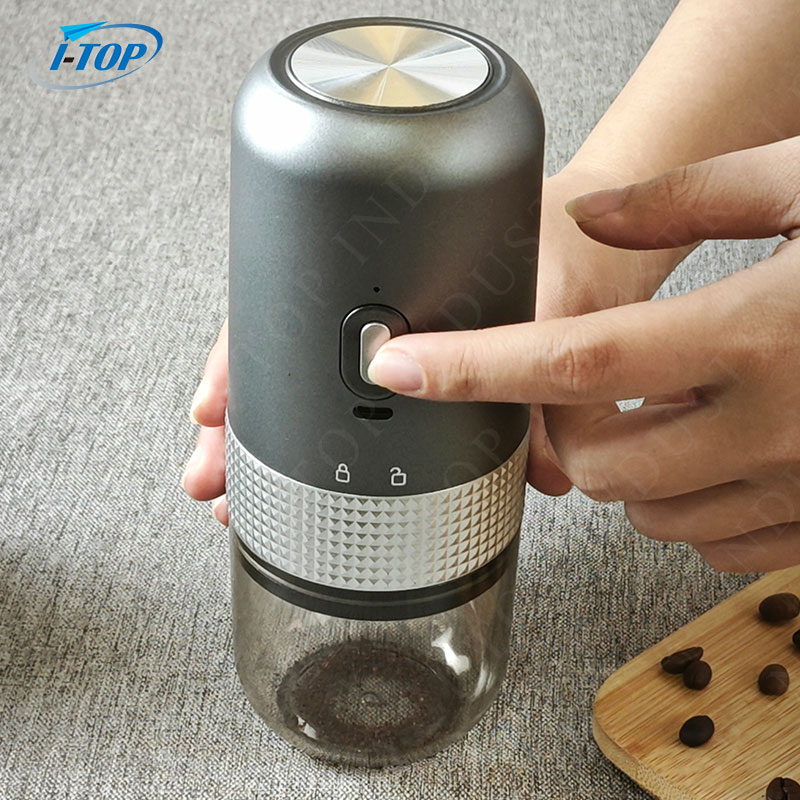
Rather than declaring one type universally better, the right choice comes down to your specific situation. Here are the questions that matter most:
How much coffee do you make at once?
If you brew one or two cups at a time, a manual coffee grinder handles the job easily and gives you an excellent result. If you're grinding for a full pot or multiple people every morning, an electric grinder saves significant time and effort.
What brewing method do you use?
Pour over, AeroPress, French press, and Moka pot users are well-served by a manual grinder. Espresso drinkers making multiple shots daily will benefit from the speed and consistency of a quality electric burr grinder.
What's your budget?
A manual burr grinder in the $30–$80 range can outperform an electric blade grinder costing the same. If you want electric convenience with excellent grind quality, expect to spend considerably more.
Do you travel or brew away from home?
Manual grinders are unbeatable for portability. A compact hand grinder fits in a carry-on bag and works anywhere.
How important is the ritual?
For many coffee enthusiasts, grinding by hand is part of the experience—a quiet, meditative step that connects them to the process. If that appeals to you, a manual grinder adds to the enjoyment of your morning routine.
Here's the honest answer: grind consistency matters more than whether the grinder is manual or electric. A high-quality manual burr grinder will produce better coffee than a cheap electric blade grinder, every single time.
At the same price point, manual burr grinders often deliver superior grind uniformity compared to entry-level electric models. The lack of heat generation is a genuine advantage for preserving delicate flavor compounds—particularly in light roasts, where floral and fruity notes are most sensitive.
That said, a high-end electric burr grinder offers grind precision that's difficult to match by hand, especially for espresso. At that level, the gap between manual and electric narrows considerably, and convenience becomes the deciding factor.
For most home brewers—especially those making one to two cups at a time with methods like pour over, AeroPress, or French press—a manual coffee grinder is the smarter buy. The grind quality is excellent, the price is accessible, and the experience is genuinely enjoyable.
Electric grinders earn their place in households that value speed, brew in larger quantities, or rely on espresso as a daily staple. If budget isn't a constraint and convenience is a priority, a quality electric burr grinder is absolutely worth the investment.
The good news? You don't have to choose blindly. I-Top Kitchenware offers both manual coffee grinders and electric coffee grinders built with precision burr mechanisms, stainless steel construction, and consistent performance in mind. Browse their range to find the grinder that fits the way you brew.


